
GHK-Cu is a copper-binding peptide sold for laboratory research, and buying it takes more than a click: you need to know what the label really means, what a reputable supplier should show you, and which official sources to trust. Most suppliers, including https://kylopeptides.com/product/ghk-cu/ list it for research purposes only. That phrase matters.
Now, a friendly confession. This site usually talks about cozy Canadian inns, harbour-side breakfasts, and the best hostels in Vancouver for a budget-friendly stay. A peptide guide is a detour from our usual road trip. But readers keep asking us practical questions about it, so we’d rather point you toward careful, honest answers than leave you guessing.
Think of it like booking a trip abroad. A good traveller checks entry rules before leaving home, not at the border. The same habit applies here: confirm the rules, check the paperwork, and ask questions first.
Below, we cover what GHK-Cu is, who can buy it, your rights and responsibilities, and where to find reliable help.
What GHK-Cu Is and Why Researchers Ask About It
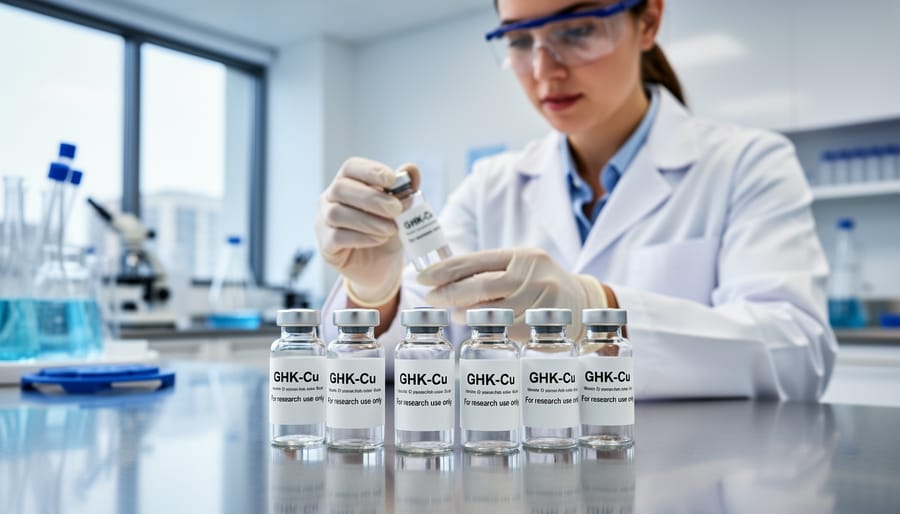
Research Grade vs. Cosmetic vs. Approved Medicine
When you’re sorting through GHK-Cu listings, the first thing to notice is which bucket a product falls into. The wording on a label tells you a lot, and it’s a bit like the difference between a souvenir postcard and an official travel document: both are real, but they do very different jobs.
Research-grade material is sold for laboratory work, not for people to use on themselves. Cosmetic products are made for consumer care routines and are usually regulated as such. Approved medicines have gone through a regulator’s review for a specific purpose, and GHK-Cu is not generally sold under that heading. If a seller blurs these lines, that’s worth pausing over.
| Category | Typical intended use | Who usually sells it | What to check on the label |
|---|---|---|---|
| Research grade | Laboratory study only | Specialty peptide suppliers | “For research use only,” batch number, certificate of analysis |
| Cosmetic | Consumer personal-care products | Beauty and skincare retailers | Ingredient list, brand details, regulatory notices |
| Approved medicine | A purpose reviewed by a regulator | Licensed pharmacies and healthcare providers | Authorization or product number, prescriber or pharmacist guidance |
Here’s an insider tip: read the fine print before the headline. A listing that says “research use only” in one corner but hints at personal benefits elsewhere is sending mixed signals. The label, the paperwork and the seller’s description should all tell the same story.
It also helps to remember that interest in a compound isn’t the same as approval. If you’d like to see how this material is discussed in studies, this overview of GHK-Cu research evidence is a useful place to start. Studies describe what researchers observed in laboratory settings, which is different from a regulator approving a product for use.
For any health-related question, a qualified professional is the right person to ask.
Who Can Buy GHK-Cu? Eligibility and Supplier Requirements

Before anyone adds GHK-Cu to a cart, it helps to know who suppliers usually let through the door. Think of it like checking entry requirements before a trip: the rules aren’t meant to trip you up, but they do vary from place to place.
Most suppliers that sell GHK-Cu for laboratory work ask buyers to show they’re a genuine fit. That often means being a qualified lab, university, or other research institution, though some suppliers also accept individual researchers who can describe their work clearly. Because the compound is sold as a research material, you’ll typically be asked to state a legitimate research purpose. A vague answer or no answer at all tends to be a sign the supplier isn’t being careful.
Age and location matter too. Many suppliers require buyers to be adults and will only ship to certain countries or provinces. Import and customs rules can differ depending on where you live, so a supplier that ships to one address may not ship to another.
Here’s a handy checklist of what you’ll commonly run into, from both sides of the counter:
- A clearly stated research purpose for the order
- Business or institutional details, such as an organization name and address
- Confirmation that the buyer meets the minimum age requirement
- A certificate of analysis available for the specific batch
- Clear, accurate labelling that states the product is for research use
- Transparent contact information, including a real address and a way to reach a person
If a supplier skips most of these, that’s worth pausing over. A careful seller usually welcomes questions rather than dodging them.
Remember, rules change by country, province, and supplier, and they can shift over time. Please treat this as a friendly starting point rather than the final word. Before you place an order, confirm the current requirements with official sources and the supplier directly.
Your Rights and Obligations as a Research Buyer
When you buy GHK-Cu as a research buyer, you’re entering a two-way arrangement. There are things you can fairly expect from the supplier, and things the supplier expects from you.
On the supplier’s side, you should receive accurate product information, including the full product name, purity details and batch or lot references. Good suppliers also provide documentation, such as a certificate of analysis, and spell out their return and refund policies before you pay. You can also expect your personal and billing details to be handled according to a clear privacy policy. If any of that is missing or vague, it’s worth pausing before you order.
On your side, the main obligation is simple: use the product only for the research purpose you stated when you bought it. You’re also expected to follow the supplier’s storage and handling guidance, and to respect import and customs rules for your location, which can differ by country and sometimes by province.
Here’s an insider-style tip from one organized traveller to another: keep your order paperwork together, the way you’d keep booking confirmations handy on a trip. Save the order confirmation, the certificate of analysis, the invoice, shipping and customs documents, and any emails about the stated research purpose in one folder, digital or paper. If a question ever comes up about a delivery, a refund or a customs check, you’ll be glad to have everything in one place. For a friendlier kind of organizing, our travel planning help shows the same habit applied to trip budgets and bookings.

Common GHK-Cu Questions Research Buyers Ask
Let’s tackle the practical questions that land in our inbox most often. Think of this like reading the fine print on a booking confirmation: a few minutes up front saves a lot of confusion later.
How do I read a certificate of analysis?
Look for the batch or lot number, the testing date, the lab’s name, and the stated purity result. Make sure the batch number on the document matches the one on your vial’s label.
What does a purity figure actually mean?
It describes how much of the tested sample is the target compound, as measured by a specific method. A higher number isn’t meaningful unless the method and lab are named.
How is storage and shelf life usually described?
Suppliers typically list temperature ranges, light and moisture precautions, and a retest or expiry date. Follow the label and ask the supplier if anything is unclear.
Why do prices vary so much between sellers?
Differences can come from testing depth, documentation, sourcing, and packaging. An unusually low price with thin paperwork deserves a second look.
How can shipping and customs affect my order?
Cross-border parcels can be delayed, inspected, or charged duties, and some items need paperwork. Check your country’s import rules before ordering, not after.
What are the warning signs of an unreliable seller?
Watch for missing contact details, no batch-specific testing, vague return terms, and listings that promise health results. Any of these is a good reason to walk away.
A couple of extra pointers round things out. On returns, read the policy before you pay. Because these are specialized materials, many suppliers won’t accept opened items back, and you’ll want to know that upfront. Keep screenshots of the listing and your order confirmation too. It’s the same habit as saving your reservation emails, and it makes any dispute much simpler.
Delays are another reason to plan ahead. If a parcel gets held at the border, you don’t want to be scrambling. It’s a bit like when plans fall apart on a trip and you suddenly need emergency accommodation: having your paperwork and backup options sorted early keeps a stressful moment manageable.
Finally, anything about dosage, personal use, or health effects is outside what a general guide like this can answer. Those questions belong with a qualified healthcare professional, who can look at your actual situation. For everything else, careful reading and a few well-chosen questions to your supplier will take you a long way.
Where to Get Help and Verify Information
When a question about GHK-Cu stumps you, the trick is knowing who to ask first. Think of it like a trip gone sideways: you call the airline about a cancelled flight, not the hotel. Different questions belong with different people.
Here’s a simple map of where to turn and what to bring along.
| Type of question | Who to contact | What to have ready |
|---|---|---|
| Is this product allowed or approved? | Your national health regulator, such as Health Canada | Product name, the label wording, and the supplier’s stated intended use |
| Will it clear customs? | The customs and border agency in your country | The product description, destination, and any supplier paperwork |
| Is my intended use appropriate? | Your institution’s compliance or ethics office | A short outline of the research purpose and the supplier details |
| Anything about personal health | A qualified healthcare professional | Your questions, plus any medications or conditions you’d want them to know about |
| A supplier dispute or refund problem | A consumer protection body | Order number, receipts, and a record of your messages with the supplier |
If you’re not sure where to begin, here’s a sensible order. Start with the supplier, asking politely for documentation and clarification in writing. If something still feels unclear, move to your institution’s compliance office, then to the relevant regulator or customs agency. Keep health questions with a healthcare professional from the very start, since a supplier or a website can’t answer those for you.
Always use the official websites of these organizations rather than contact details from a listing or a search ad. Rules shift from place to place and over time, so a quick check at the source is the safest bet.
So, here’s the short version of everything we’ve covered. GHK-Cu is a copper-binding peptide that’s sold mainly for laboratory research, which is very different from an approved medicine or a consumer product. Before you buy, check that you meet the eligibility requirements and can state a genuine research purpose. Know your obligations too: use it only as intended, follow storage and handling guidance, respect customs rules, and keep your paperwork tidy.
Take your time verifying suppliers. Look for clear labelling, a certificate of analysis, and honest return policies. And whenever something feels murky, go straight to the official sources, like Health Canada, border agencies, or your institution’s compliance office. For anything health-related, a qualified professional is always the right call.
Thanks for indulging this little detour from our usual stories! When you’re ready to swap spreadsheets for a crackling fireplace and fresh-baked breakfast, explore the best B&Bs in Canada. We’d love to help you plan a relaxing, stress-free escape.
