
Contact your insurance provider within 24 hours to confirm your emergency accommodation coverage—most Canadian home insurance policies include Additional Living Expenses (ALE) that cover temporary housing, meals, and essentials while your home is uninhabitable. Ask specifically about daily limits and pre-approval requirements for B&B stays, as many insurers prefer these intimate settings over impersonal hotels for extended displacement periods. If your home is beyond repair, you may need to sell fire damaged house quickly while focusing on your immediate housing needs.
Reach out directly to best B&Bs across Canada in your area by phone rather than online booking platforms—explain your emergency situation honestly, and you’ll find most B&B owners incredibly compassionate and willing to accommodate immediate check-ins, waive minimum stay requirements, or offer extended-stay discounts. Many have helped fire victims before and understand the need for a warm, home-like environment during this traumatic transition.
Document everything from day one: photograph your damaged property, keep every receipt for accommodation and meals, maintain a detailed log of phone calls with your insurer, and save all correspondence.
Prioritize B&Bs offering kitchen access, laundry facilities, and flexible cancellation policies—these practical amenities become invaluable when you’re living in temporary accommodation for weeks or months. The personal attention and quiet atmosphere of a B&B provides crucial emotional respite that hotels simply cannot match during such a devastating time.
Why B&Bs Make Sense for Fire Displacement (When Hotels Don’t Cut It)
The Comfort Factor: What You Need After Losing Everything
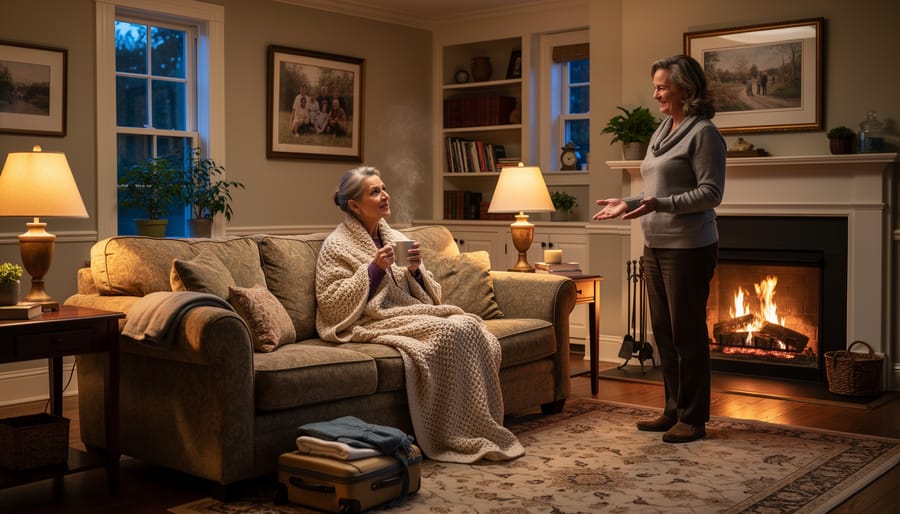
After experiencing a fire, you’re not just looking for four walls and a bed—you need a place that helps you begin healing. This is where staying at a B&B makes all the difference compared to a standard hotel room.
I remember speaking with Sarah, a homeowner from Burlington who stayed at a local B&B after a kitchen fire. She told me the hardest part wasn’t the property damage—it was feeling completely unmoored. “Walking into that B&B felt like a warm hug,” she said. “There were fresh flowers on the dresser, homemade cookies waiting, and a host who actually asked how I was doing.”
B&B hosts understand that you’re going through trauma. They’re not desk clerks reading from a script—they’re real people who live in the community and genuinely care. Many hosts have told me they go out of their way for fire victims, offering extended checkout times, doing extra loads of laundry, or simply sitting down for a cup of tea when you need someone to talk to.
The home-like environment itself provides comfort that sterile hotel rooms simply can’t match. You might find yourself in a cozy kitchen sharing breakfast with your host, who can recommend which local pharmacy stays open late or which insurance adjuster has the best reputation in town. These small, personal touches matter enormously when everything familiar has been stripped away.
Plus, B&B hosts often have insider knowledge about local resources—from disaster relief organizations to contractors they trust—information that can prove invaluable during your recovery.
Cost Considerations for Extended Stays
When you’re facing weeks or even months away from home after a fire, accommodation costs can feel overwhelming. Here’s some reassuring news I’ve discovered through conversations with both B&B owners and displaced families: bed and breakfasts often provide exceptional value for extended stays compared to hotels or short-term rentals.
Most B&B hosts understand that emergencies require flexibility. Many offer significant discounts for weekly or monthly bookings, sometimes reducing nightly rates by 30-40% for stays exceeding seven days. Don’t hesitate to explain your situation honestly when reaching out. I’ve heard countless stories of compassionate hosts who’ve worked with fire victims to create affordable arrangements that hotels simply wouldn’t offer.
Here’s an insider tip: approach the conversation with transparency about your insurance coverage timeline. If you know you’ll need accommodation for a specific period, mention this upfront. Many hosts prefer the security of a longer booking and will adjust pricing accordingly. Ask about inclusive rates that bundle breakfast, Wi-Fi, and laundry facilities—these amenities add up quickly elsewhere but are often standard at B&Bs.
Consider the hidden savings too. That daily homemade breakfast saves money and provides comforting normalcy during a chaotic time. Kitchen access, available at many B&Bs, means you can prepare simple meals rather than eating out constantly.
Remember to keep detailed receipts and documentation for insurance claims. Most B&B owners are happy to provide itemized invoices that meet insurance requirements, making reimbursement smoother during an already stressful period.
What to Do in the First 24 Hours After a Fire
Your Insurance Company Is Your First Call
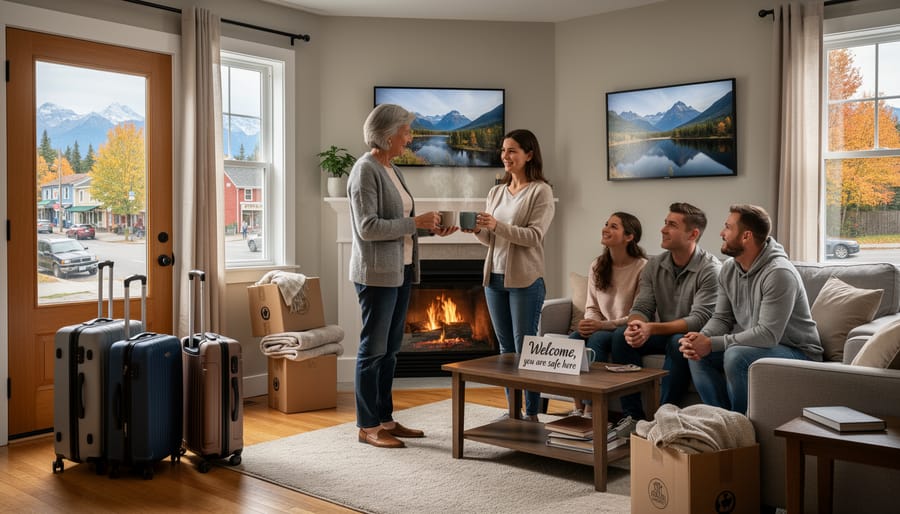
Before you start searching for a B&B or making any bookings, reach out to your insurance company immediately. I know it might seem like one more overwhelming task when you’re already dealing with so much, but this call can save you considerable stress down the road.
Most home insurance policies in Canada include Additional Living Expenses coverage, which typically covers temporary accommodation costs when your home becomes uninhabitable due to fire. However, coverage limits and conditions vary significantly between policies.
When you call, ask these specific questions: What is your daily accommodation limit? How long is coverage extended? Do you need pre-approval before booking? Will they reimburse B&B stays, or only hotel accommodations? Some insurers prefer traditional hotels, while others are perfectly fine with B&Bs, which often provide better value and a more comforting environment during such a difficult time.
Request a claim number and the name of your adjuster immediately. Keep detailed records of all conversations, including dates and times. Ask if they work with preferred accommodation providers or if you’re free to choose your own.
Many B&B owners across Canada have experience working with insurance companies and can provide the necessary receipts and documentation you’ll need for reimbursement. Don’t hesitate to mention your situation when booking—most hosts are incredibly understanding and helpful.
Finding Available B&Bs Fast
When every minute counts, finding shelter quickly requires a strategic approach. Start with major booking platforms like Booking.com, Airbnb, and specialized Canadian bed and breakfasts directories, filtering for immediate availability. However, here’s an insider tip: don’t stop at what appears “fully booked” online.
Pick up the phone and call B&Bs directly. I learned this during a travel emergency years ago—many hosts keep one room unreserved for last-minute situations or can shuffle existing bookings when they understand the urgency. Start your conversation with honesty: “We’ve just experienced a house fire and need emergency accommodation tonight.” Most B&B owners have compassionate hearts and will move mountains to help.
Contact multiple properties simultaneously rather than waiting for responses. Cast a wide net within a reasonable radius from your home, expanding your search area if needed. Many hosts can also connect you with neighboring B&Bs in their network who might have availability.
Emergency situations often unlock hidden inventory. Property owners may offer their personal quarters, cancel non-urgent reservations, or recommend trusted colleagues. Your genuine need, communicated clearly and respectfully, becomes your greatest asset in securing immediate shelter during this difficult time.
Regional B&B Options for Fire-Displaced Families
British Columbia and the Prairies
When wildfire season strikes British Columbia and the Prairie provinces, finding safe accommodation quickly becomes essential. I learned firsthand during the 2021 BC fires how invaluable local bed and breakfast options can be when hotels fill up overnight.
In BC’s Interior and Okanagan Valley, family-run B&Bs often have flexible cancellation policies and understand the urgency fire evacuees face. The Prairies offer a unique advantage: rural B&Bs typically have more availability than urban centers like Calgary or Regina, though they may require a vehicle to access. My tip? If you’re displaced from a rural area, consider urban B&Bs where you’ll have easier access to Red Cross services and insurance offices.
Alberta’s foothills region hosts numerous ranch-style B&Bs that welcome pets, which is crucial when evacuating with animals. Saskatchewan and Manitoba B&Bs, particularly those near major highways, often cater to emergency travelers and can arrange extended stays on short notice. Don’t hesitate to explain your situation when calling; most hosts will waive standard booking requirements and offer compassionate rates during crisis situations.
Ontario and Quebec
Ontario and Quebec offer extensive B&B networks that become lifelines during fire emergencies, with many hosts experienced in providing compassionate short-notice accommodation. In Ontario, communities like Ottawa, Toronto, and Kingston have quality B&Bs located near insurance offices, emergency services, and rebuilding suppliers—practical considerations when you’re coordinating recovery efforts.
I stayed at a Toronto B&B once where the owner mentioned she’d housed three fire-displaced families that year alone. She kept emergency toiletries stocked and understood the exhaustion that comes with navigating claims adjusters and restoration contractors.
Quebec’s B&Bs, particularly in Montreal and Quebec City, often provide bilingual support—invaluable when dealing with paperwork and phone calls during stressful times. Many hosts maintain relationships with local community organizations that assist fire victims with clothing, furniture, and emotional support services.
Both provinces have strong tenant protection laws, and B&B owners generally understand the urgency of flexible cancellation policies for emergency stays. Their central location means access to major urban resources while maintaining the personal touch and stability you need during displacement.
Atlantic Canada and the Territories
Finding emergency accommodation in Atlantic Canada and the Territories can feel overwhelming, especially in remote areas where options seem limited. However, many B&B owners in these regions truly understand community support during crisis situations. In Newfoundland, Nova Scotia, New Brunswick, and Prince Edward Island, smaller B&Bs often have closer relationships with local emergency services and can arrange quick placements even outside typical booking channels.
The Northern territories present unique challenges due to sparse populations and extreme distances between communities. If you’re facing displacement in Yukon, Northwest Territories, or Nunavut, contact local Red Cross chapters immediately—they maintain relationships with accommodation providers who can respond quickly. Many northern B&B operators have experience housing displaced residents during wildfires and understand the urgency. Don’t hesitate to call directly rather than relying solely on online booking platforms, as personal connections often yield faster results in these tight-knit communities.
What to Ask B&B Hosts About Emergency Stays
When you’re reaching out to B&B hosts during this difficult time, having the right questions ready can make all the difference. I remember speaking with a family who’d lost their home in the Fort McMurray fires, and they told me how grateful they were that their host had been prepared for their unique situation from day one.
Start by asking about extended stay policies. Most B&Bs cater to short-term guests, but many Canadian hosts have experience accommodating fire victims and understand you might need weeks or even months. Ask if they offer weekly or monthly rates, which are typically more affordable than nightly bookings.
Insurance payment flexibility is crucial. Don’t hesitate to ask if the host can work directly with your insurance company or accept delayed payments while claims process. Many compassionate hosts across Canada have navigated this before and may even provide documentation in the format your insurer requires.
Storage space often becomes a pressing concern. Ask whether there’s room for salvaged belongings, boxes, or larger items you’ve managed to rescue. Some hosts have garages, sheds, or basement space they’re willing to share during emergencies.
Family and pet accommodations matter tremendously. Be upfront about everyone in your household, including furry family members. Ask about sleeping arrangements for children, whether cribs or extra beds are available, and any pet policies. Canadian B&B hosts are generally accommodating, especially understanding the impossible choice between shelter and leaving pets behind.
Finally, inquire about kitchen access and laundry facilities. These everyday necessities become precious when you’re rebuilding, and having them available can provide comfort and normalcy during an incredibly challenging chapter.
Making a B&B Work as Your Temporary Home
Setting Up Routines in Temporary Spaces
When my family stayed at a B&B after a kitchen fire, I learned that small routines became our lifeline. Start by establishing wake-up and bedtime schedules, even in unfamiliar surroundings. Most B&B hosts understand displacement situations and genuinely want to help families find stability.
Talk openly with your hosts about your daily needs. Many will adjust breakfast times, provide quiet spaces for children’s homework, or offer extended access to common areas. I’ve met hosts who cleared storage areas for families to organize belongings and even adjusted kitchen privileges for those needing to prepare specific meals.
Create small comfort zones within your room using familiar items you’ve salvaged or quickly purchased. A favorite blanket, family photos on your phone displayed at bedside, or a child’s stuffed animal can provide surprising emotional anchors.
Maintain as many pre-fire routines as possible—family dinnertime conversations, bedtime stories, morning coffee rituals. These familiar patterns help everyone, especially children, feel grounded during chaos. Don’t hesitate to ask hosts about local parks, libraries, or community centers where you can spend time outside your room, creating temporary normalcy while managing insurance calls and rebuilding plans.
Support Services and Resources While You’re Displaced
When disaster strikes, knowing where to turn for help can feel overwhelming. Beyond securing emergency accommodation, you’ll need support navigating this challenging time, and fortunately, Canadians are known for rallying around those in need.
The Canadian Red Cross should be your first call after ensuring everyone’s safety. They provide immediate disaster assistance including emergency lodging funds, clothing, food, and personal services. Their teams are trained specifically for fire victims and can help coordinate your next steps. Many B&B hosts actually work directly with Red Cross representatives to ensure displaced families receive appropriate care during their stay.
Provincial and municipal emergency services also offer valuable resources. Most cities have victim services units that provide crisis counseling, help with insurance paperwork, and connections to local community programs. I’ve seen firsthand how these services made a difference for a family staying at a small B&B in Kelowna after their home fire—the local victim services coordinator actually met them at the property to help them navigate their options.
Don’t overlook the human element your B&B host brings to this difficult situation. Unlike impersonal hotel chains, B&B owners are deeply connected to their communities. They often know which local charities provide clothing donations, where to find temporary childcare, or which pharmacy stays open late. Many hosts have told me they keep lists of essential local contacts specifically for guests in crisis situations.
Community organizations, faith-based groups, and neighborhood associations frequently organize donation drives and meal trains for fire victims. Your host can help connect you with these grassroots support networks that might not appear in official directories but offer genuine, heartfelt assistance when you need it most.
Finding yourself without a home after a fire is overwhelming, but you don’t have to face this journey alone. Right now, compassionate B&B hosts across Canada are ready to welcome you with more than just a clean bed and warm meal. They’re offering a genuine sense of home when you need it most.
I’ve heard countless stories from B&B owners who’ve opened their doors during emergencies, treating guests like family rather than customers. These aren’t just business transactions—they’re people who truly care about helping you through this difficult time. The Canadian B&B network is uniquely positioned to provide the personal attention and flexibility you need while navigating insurance claims and rebuilding plans.
Whether you need a few days or several weeks, there’s a welcoming space waiting for you. Don’t hesitate to reach out to local B&Bs, explain your situation, and ask about extended stays. Most hosts are incredibly understanding and willing to work with you on rates and arrangements. You’ve already shown tremendous strength by taking this first step. Remember, this is temporary, and there are good people ready to support you through it.
